Why Students Are Not Choosing to Enrol in the Faculty of Education
And what prevents those who enrol from completing their programmes
Somali National University, Faculty of Education
National literacy rate
MoECHE hires holding an education degree, down from 25.9%
Entered the Faculty as a first choice
Applied for teaching posts, Cohort 2
Overview
Somali National University is Somalia's only public national university and its oldest institution of higher learning. As the faculty charged with preparing the country's teachers, its difficulty in attracting and retaining students carries consequences far beyond the institution.
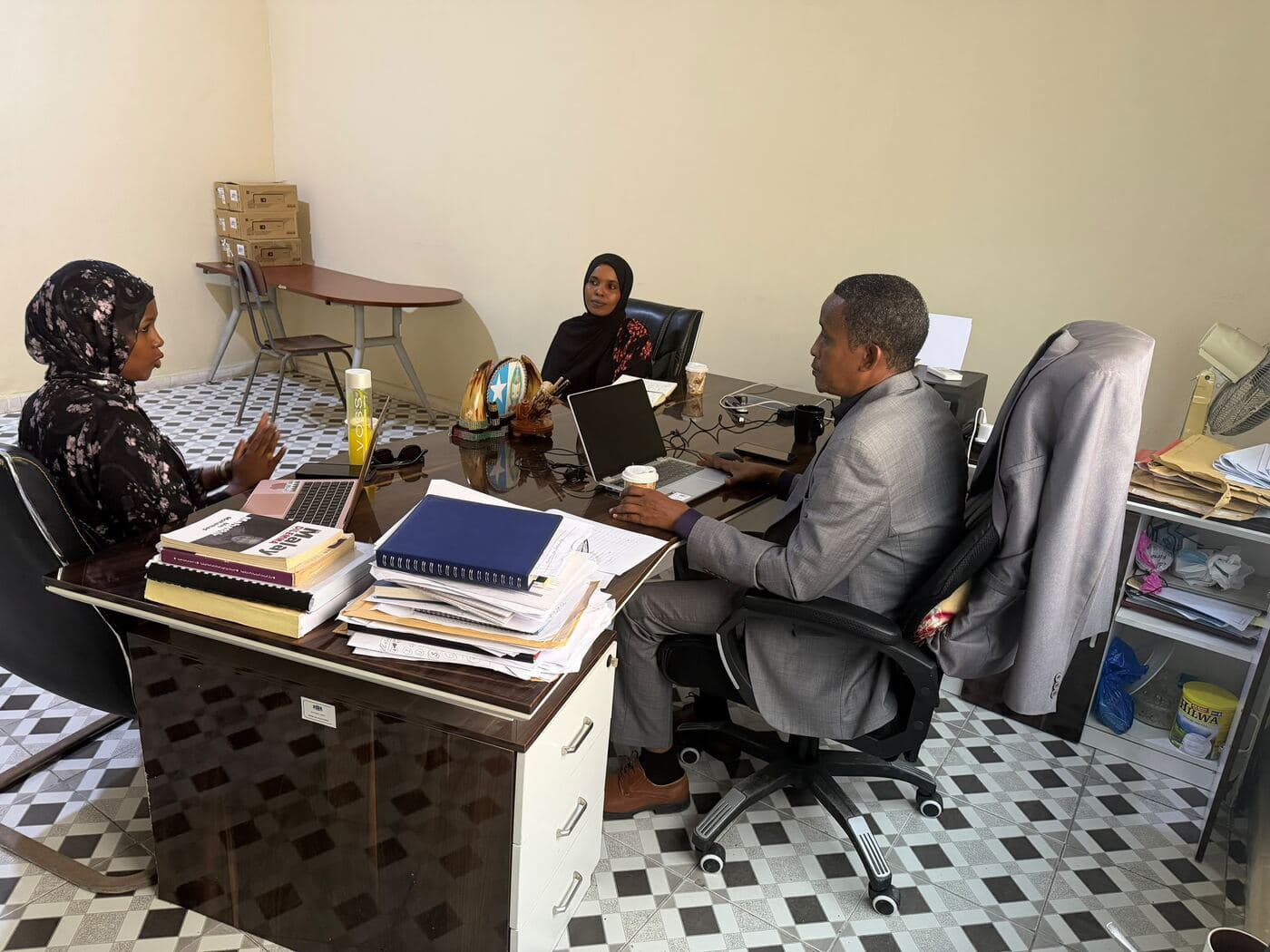
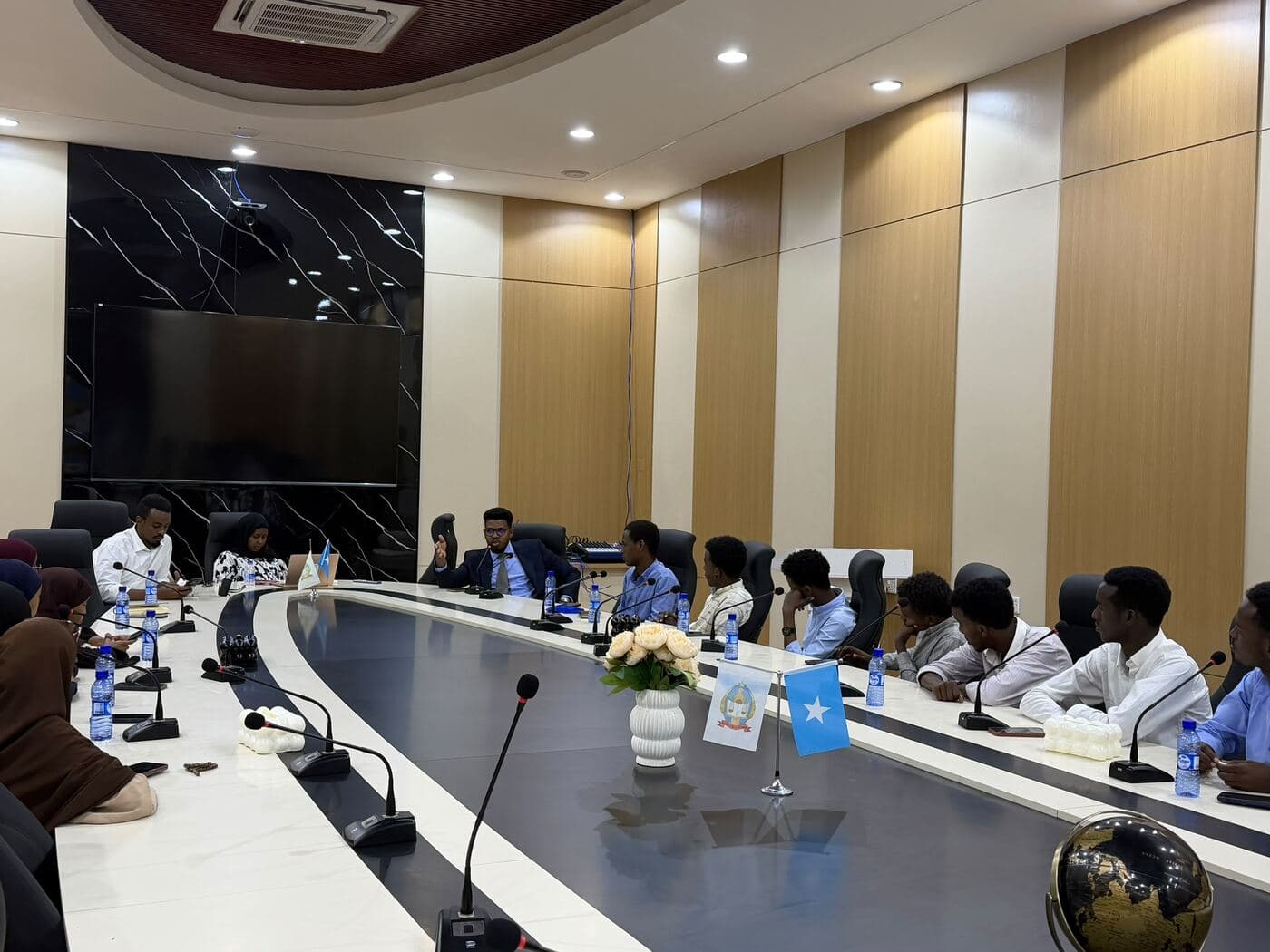
This research was conducted as a partnership between SNU and Hindis. It draws on three focus group discussions and five key informant interviews with current students, alumni, faculty leadership and administrative staff, alongside six peer-reviewed articles and MoECHE teacher recruitment data for 2023-2024. Fieldwork was conducted at SNU in July 2026.
The analysis identifies the principal barriers to enrolment and retention, and sets out the institutional strengths that already exist within the faculty and can be strengthened deliberately rather than built from nothing.
“If students do not see opportunities after graduation, it becomes difficult to convince them to choose education.”
Barriers to enrolment and retention
Five interconnected issues emerged consistently across the interviews.
Negative community perceptions of teaching
The most frequently cited barrier. Students reported discouraging remarks such as "Will you always be a teacher?" and some admitted concealing their faculty. The Dean identified community perception as the greatest single challenge.
Financial constraints
The English Foundation Program, introduced for Batches 11 and 12, adds to existing tuition costs. One student described paying fifty dollars in tuition and a further seventy dollars for the English programme a week later, and considering dropping out as a result.
Programme length
Students noted that, having already spent twelve years in school, the additional foundation year reinforced a sense of an extended educational journey.
Inadequate laboratory and library resources
Interviewees consistently reported that the faculty lacks the laboratory and library resources its programmes require. One student had completed only two titration experiments across an entire course of study.
Weak career visibility
MoECHE teaching posts are open to applicants from all academic backgrounds, without specific consideration for graduates holding education degrees. Education graduates report competing for teaching positions against candidates with no professional preparation in teaching.
Institutional strengths
Participants also identified clear strengths: factors that already encourage students to stay.
Lecturer quality
The most consistently praised feature. Alumni described having "the best lecturers, including PhD holders", who advised them on the job market as well as teaching them.
Affordability
As a publicly funded faculty it does not depend on student contributions, since its budget is provided by government. This matters particularly for students from lower-income families and the federal member states.
Awareness and orientation programmes
Sessions on future careers, strong school connections, supervised teaching placements and practical classroom experience gave students a concrete sense of the profession, and several reported gains in confidence and leadership attributable directly to the programme.
Emerging employment pathways
The Rajo Kaabo government scholarship initiative has supported female students in particular and helped improve enrolment.
Recommendations
Strengthening Somalia's teaching profession requires coordinated action across institutions, not action by the faculty alone.
Recommendations for the Ministry of Education
- 01
Create clearer recruitment pathways for education graduates
Consider reserving a proportion of government teaching positions for candidates holding recognized education degrees, so that professional preparation carries measurable value at the point of recruitment.
- 02
Strengthen collaboration with SNU
Engage Faculty of Education students directly through recruitment events, career information sessions, internships and school placement opportunities.
- 03
Recognize professional teacher qualifications
Revise teacher recruitment criteria so that candidates trained specifically for teaching are distinguished from applicants from unrelated disciplines.
- 04
Support a national teacher certification framework
Work towards certification that prioritizes professionally trained teachers and restricts entry to classroom teaching by unqualified applicants.
Recommendations for Somali National University
- 01
Strengthen recruitment into the Faculty of Education
Promote teaching as a professional career and communicate available employment pathways to prospective students. A "Future Educators" scheme could engage current students and alumni to visit secondary schools and set out the range of careers open to education graduates.
- 02
Develop a targeted regional recruitment strategy
Extend outreach to students across the Federal Member States. Participants from the regions valued the faculty highly but reported limited prior awareness of the programme.
- 03
Diversify recruitment materials to show varied career paths
Feature graduates who have moved into educational policy, curriculum development, educational leadership and research, addressing prevailing perceptions directly through alumni profiles and video.
- 04
Improve student retention
Extend orientation into a week-long career exploration period with alumni participation and realistic previews of teaching in Somali schools, and provide stronger academic, mentoring and career support to students identified as at risk of leaving.
- 05
Address financial barriers
Reduce or waive English Foundation Programme fees for Education students, extend scholarship provision along the lines of the Rajo Kaabo programme, and introduce a fee deferral option for students facing temporary hardship.
- 06
Invest in teaching and learning resources
Renovate and equip the chemistry, biology and physics laboratories, bring the library up to the standard the programmes require, and establish a Teaching Resource Centre.
Recommendations for national leadership
- 01
Elevate the status of the teaching profession
Position teachers as essential professionals within Somalia's human capital and national development agenda.
- 02
Improve teacher incentives
Address salaries, career progression, professional recognition and working conditions as part of efforts to attract talented young people into teaching.
- 03
Develop a national teacher workforce strategy
Align university teacher preparation, teacher demand, recruitment and long-term workforce planning, so that the number and profile of graduates match the needs of the school system.
Read the document
Download the full publication or read it inline.